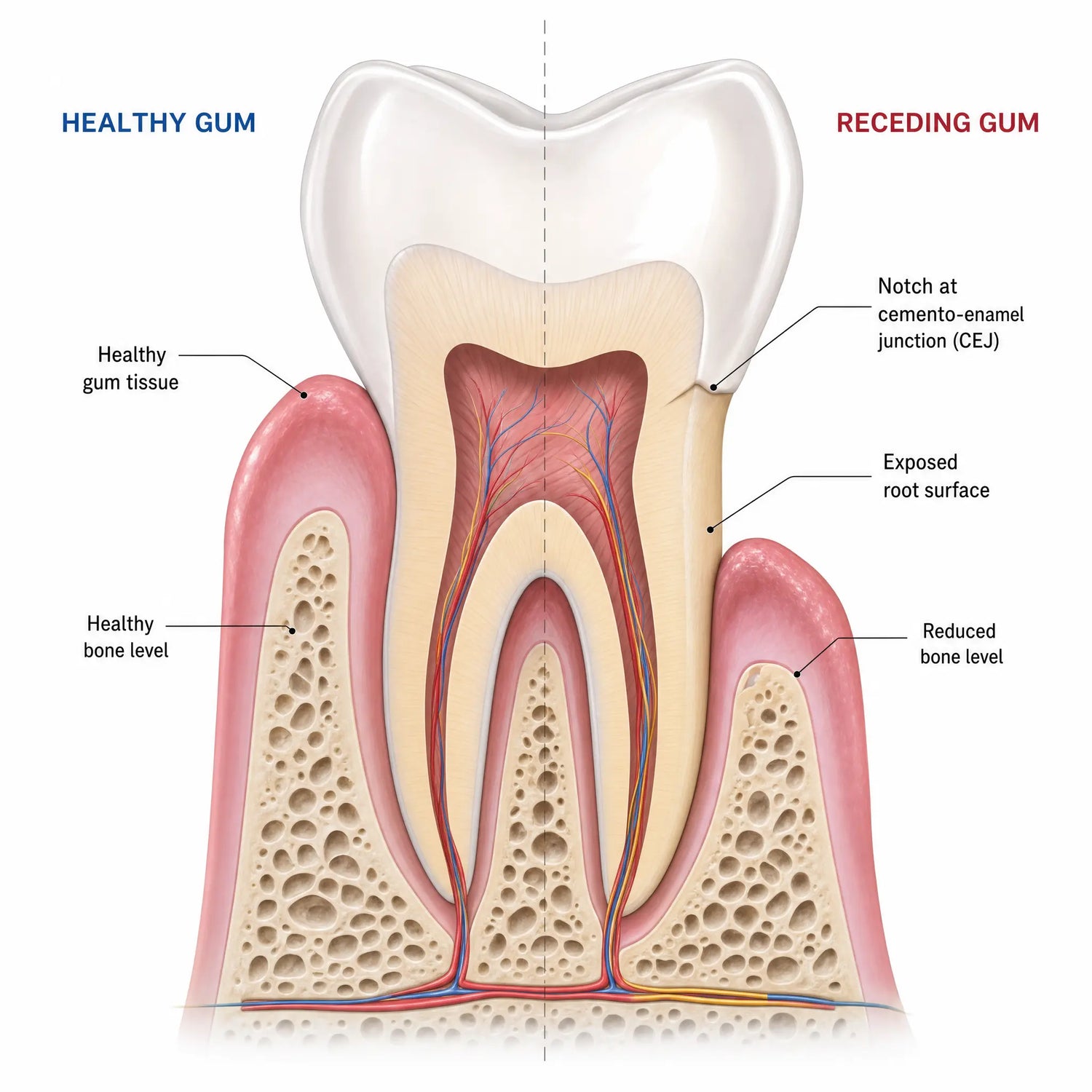
Si has notado que tus encías se retraen de tus dientes, no estás solo. De hecho, más de dos tercios de la población mundial se ve afectada por la recesión gingival. ¿La respuesta honesta? El tejido gingival no vuelve a crecer por sí solo. Sin embargo, con el cuidado adecuado, puedes evitar que empeore — y en muchos casos, el tratamiento profesional puede cubrir las raíces expuestas y proteger tus dientes a largo plazo.

¿Qué es la Recesión Gingival?
La recesión gingival, también conocida como recesión gingival, es el proceso gradual en el que el tejido gingival que rodea los dientes se retrae o se desgasta, exponiendo más del diente — e incluso la raíz del diente. Cuando esto ocurre, se crean "bolsas" o espacios entre los dientes y la línea de las encías, lo que facilita la acumulación de bacterias y causa más daño.
Más allá de la preocupación estética de que los dientes se vean más largos, la recesión gingival es un problema grave de salud bucal. La superficie de la raíz expuesta está cubierta por cemento, un tejido que es mucho más blando y vulnerable a la caries que el esmalte protector que cubre la corona del diente. Sin intervención, la recesión puede provocar sensibilidad dental, caries radicular y, eventualmente, inestabilidad o pérdida del diente.
Una revisión sistemática y metaanálisis de 2023 encontró que la prevalencia global de la recesión gingival es del 78% al 85%, dependiendo del umbral de medición utilizado. Esto significa que la gran mayoría de los adultos experimentarán algún grado de recesión a lo largo de su vida.
Causas Comunes: Por Qué las Encías se Retraen
La recesión gingival rara vez es causada por un solo factor. En cambio, generalmente resulta de una combinación de factores mecánicos, biológicos y relacionados con el estilo de vida.
Cepillado Dental Agresivo (La Causa Más Común)
Cepillarse demasiado fuerte, usar un cepillo de cerdas medias o duras, o emplear un movimiento horizontal de "frotado" puede desgastar físicamente el tejido gingival. Una revisión narrativa de 2025 confirmó que las fuerzas de cepillado superiores a 3 Newtons (aproximadamente 300 gramos de presión) aumentan significativamente el riesgo de recesión y lesiones cervicales no cariosas (muescas en el cuello del diente).
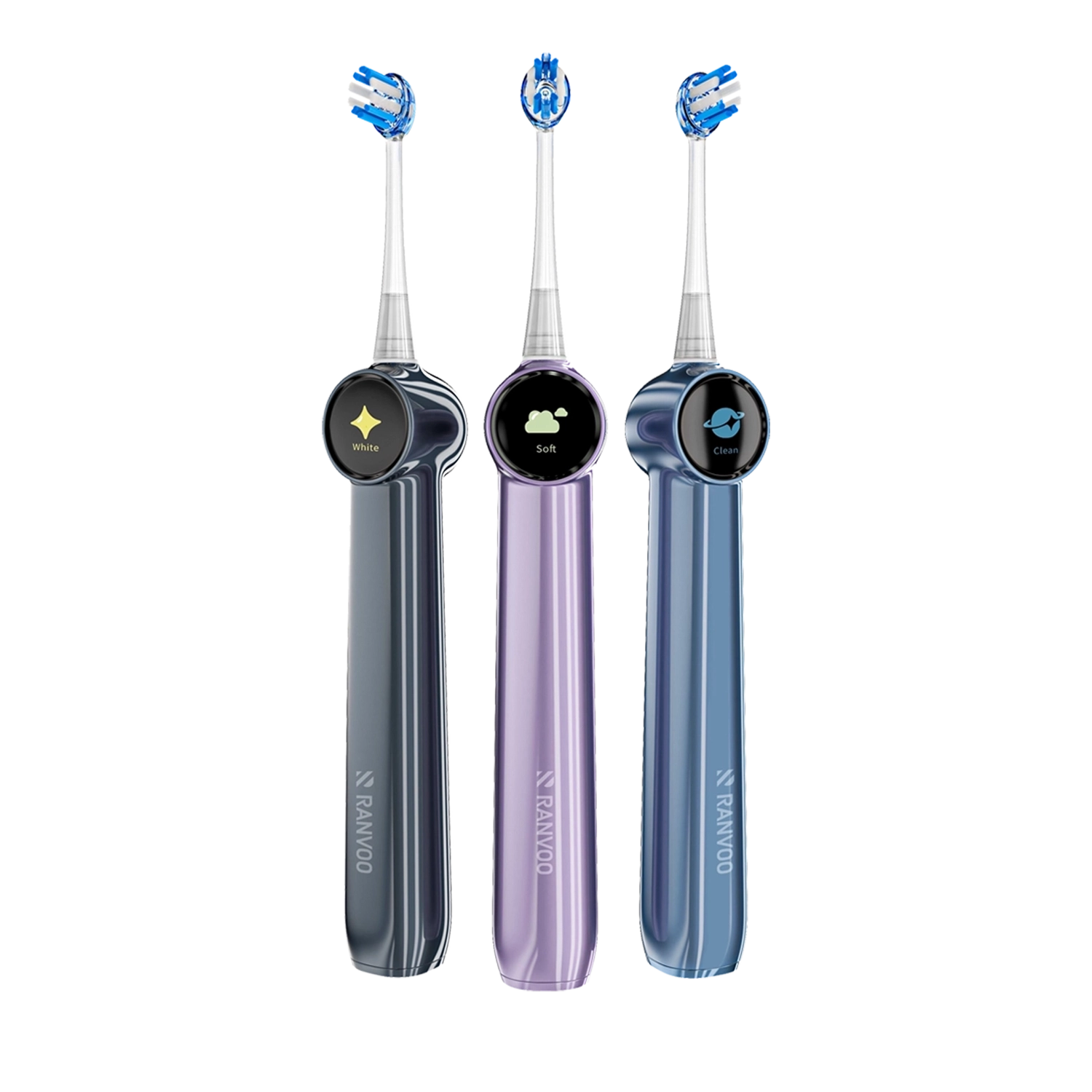
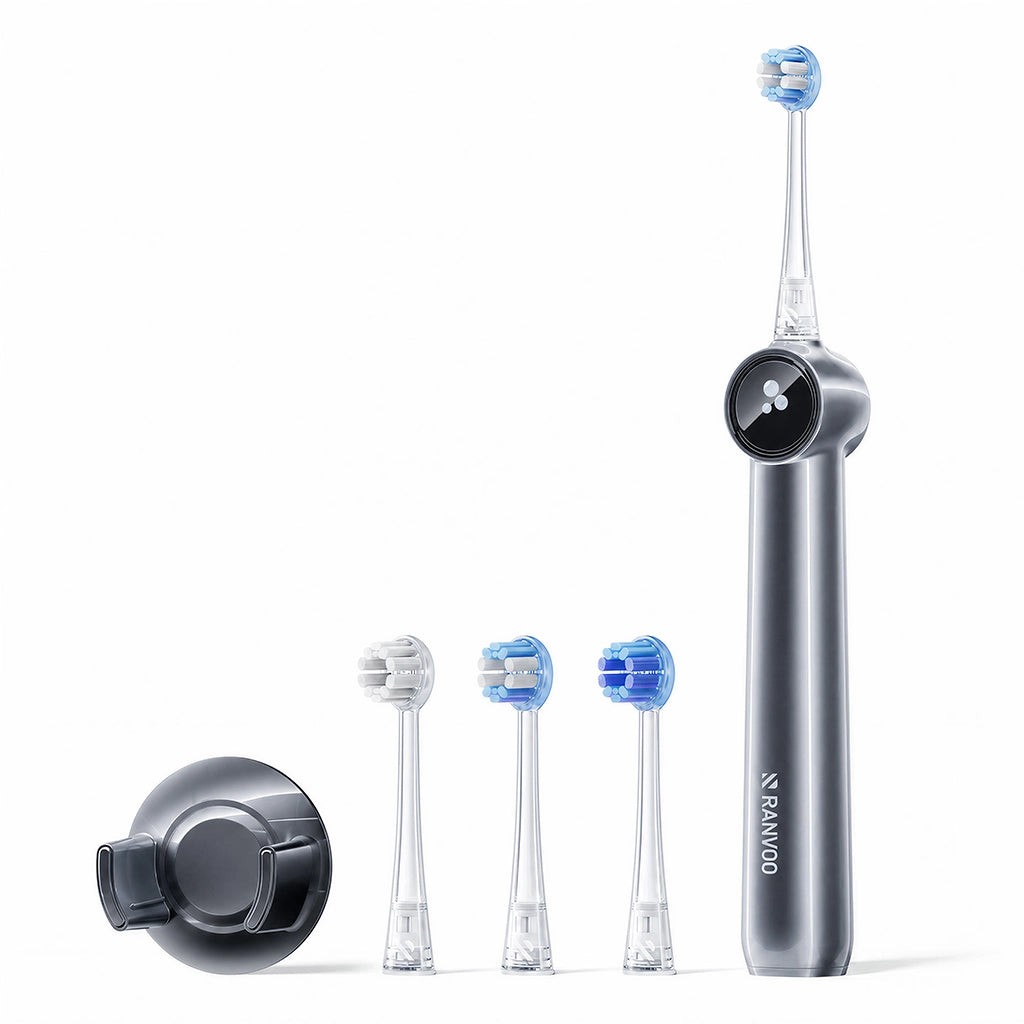
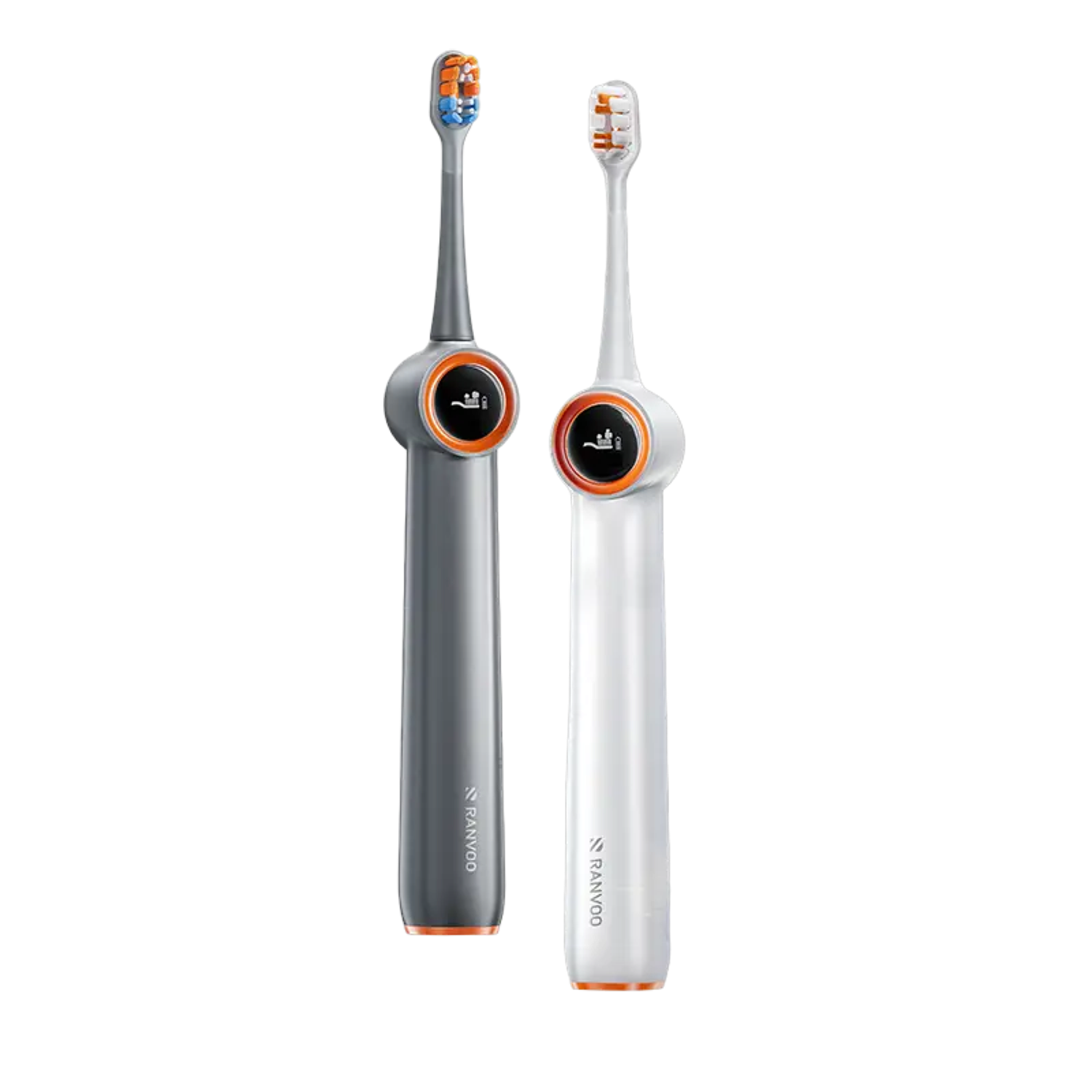
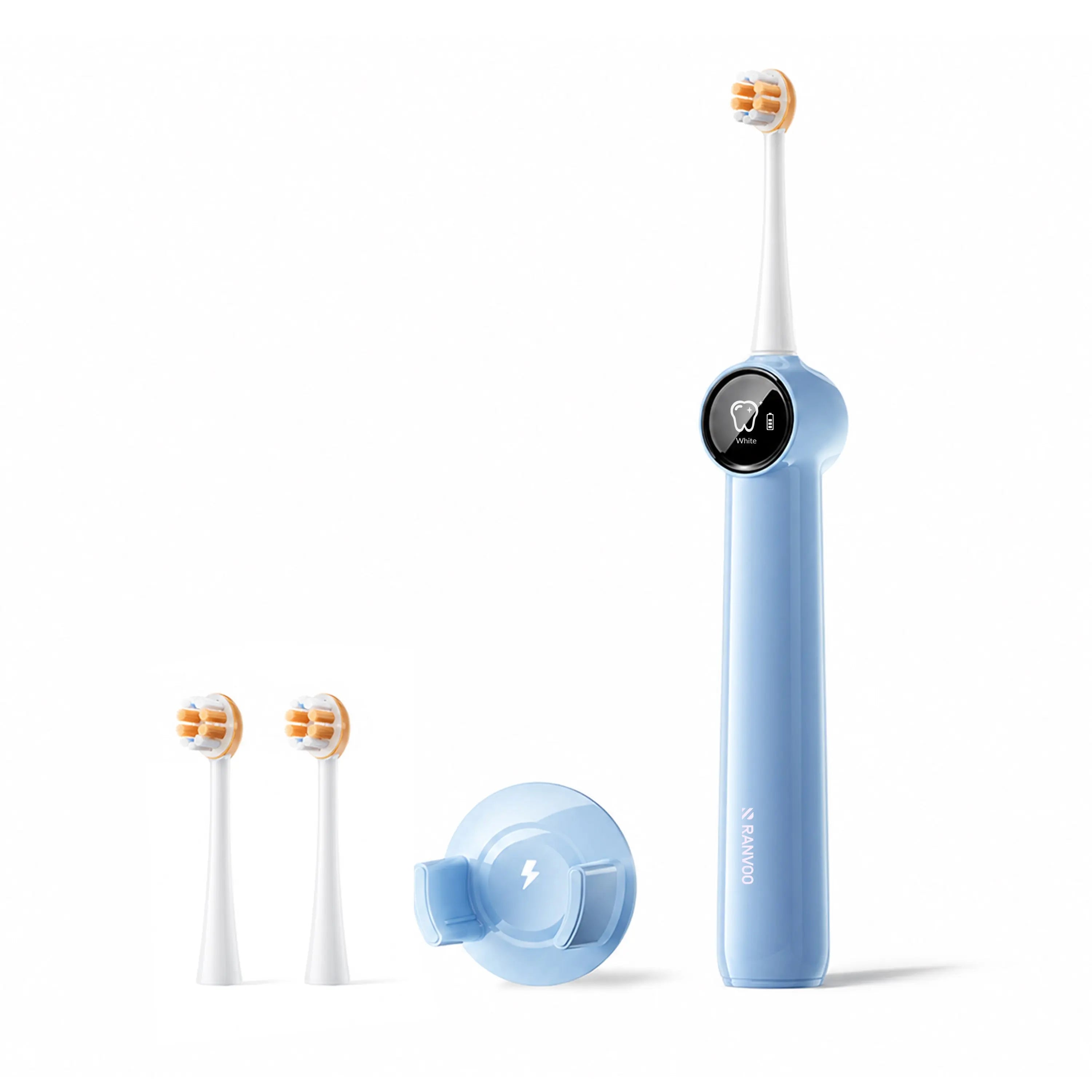
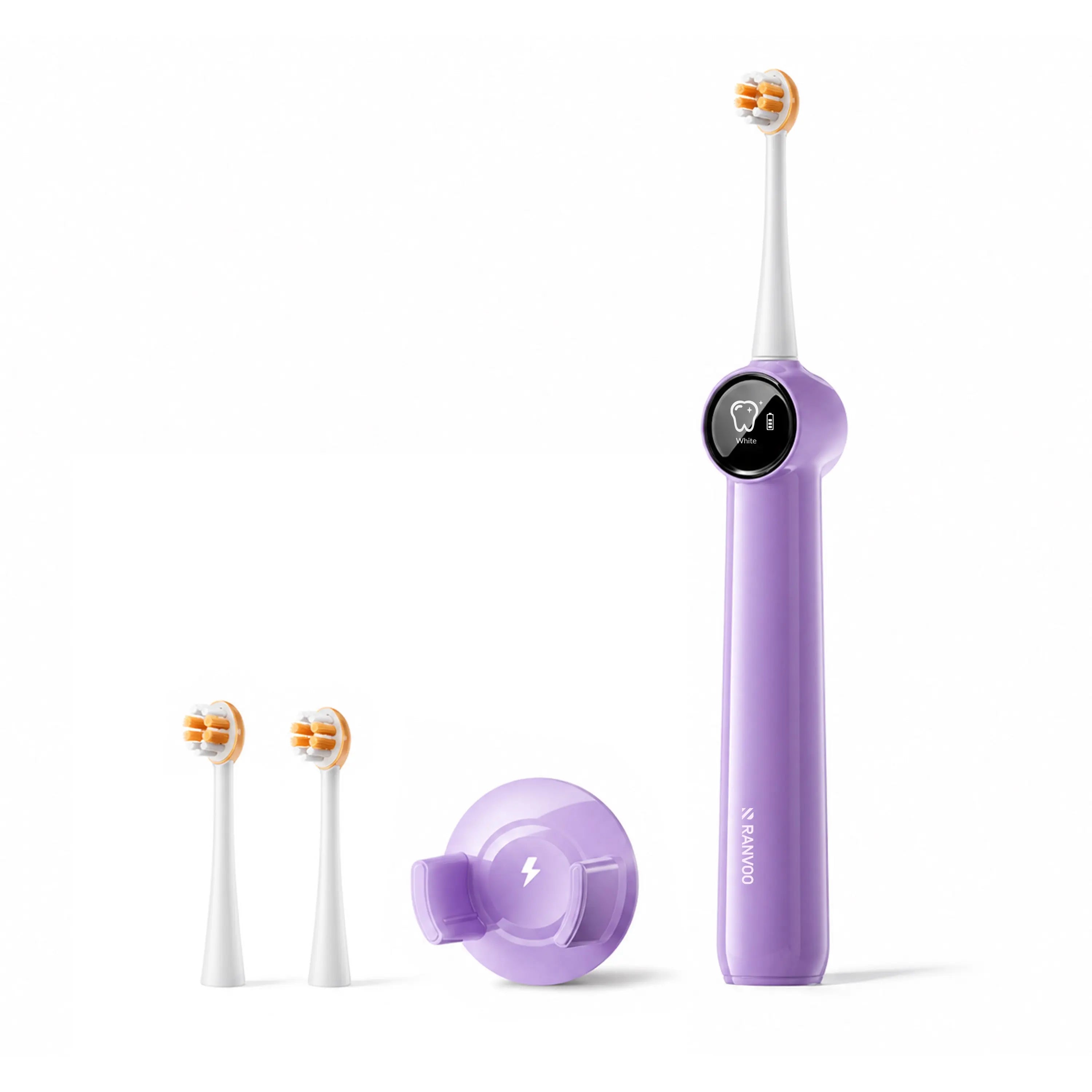
Usar un cepillo de dientes eléctrico con sensor de presión puede ayudarte a evitar esto: te alerta cuando te cepillas demasiado fuerte, lo que lo convierte en una opción más segura que un cepillo manual para personas propensas a la recesión.
Enfermedad Periodontal (Enfermedad de las Encías)
La periodontitis es una infección de las encías y del hueso de soporte. A medida que la infección destruye el tejido gingival y el hueso subyacente, las encías se separan de los dientes, creando bolsas profundas. Esta es una de las causas más graves de recesión porque implica pérdida tanto de tejido blando como de hueso.
Un estudio de 2022 sobre una población adulta italiana encontró que la periodontitis era un indicador de riesgo significativo para la recesión moderada a grave (clasificada como RT2 y RT3 en el Sistema de Clasificación del Taller Mundial de 2018).
Genética y Tejido Gingival Delgado
Algunas personas simplemente nacen con biotipo gingival fino — tejido gingival naturalmente fino y frágil que es más susceptible a la recesión. Si tienes encías finas, incluso un cepillado suave o fuerzas ortodóncicas menores pueden desencadenar la recesión. Un artículo de hipótesis de 2026 propuso que los tejidos periodontales finos pueden sufrir "creep" — una deformación lenta y dependiente del tiempo bajo tensión repetida — que podría explicar la recesión en pacientes sin factores de riesgo evidentes.
Otros Factores Contribuyentes
- Rechinar o apretar los dientes (bruxismo): La fuerza excesiva sobre los dientes puede empujarlos contra el tejido gingival fino, acelerando la recesión.
- Consumo de tabaco: Fumar perjudica el flujo sanguíneo a las encías y retrasa la cicatrización, aumentando el riesgo de recesión.
- Dientes torcidos o maloclusión: Los dientes desalineados pueden crear áreas de fuerza excesiva o dificultar la limpieza.
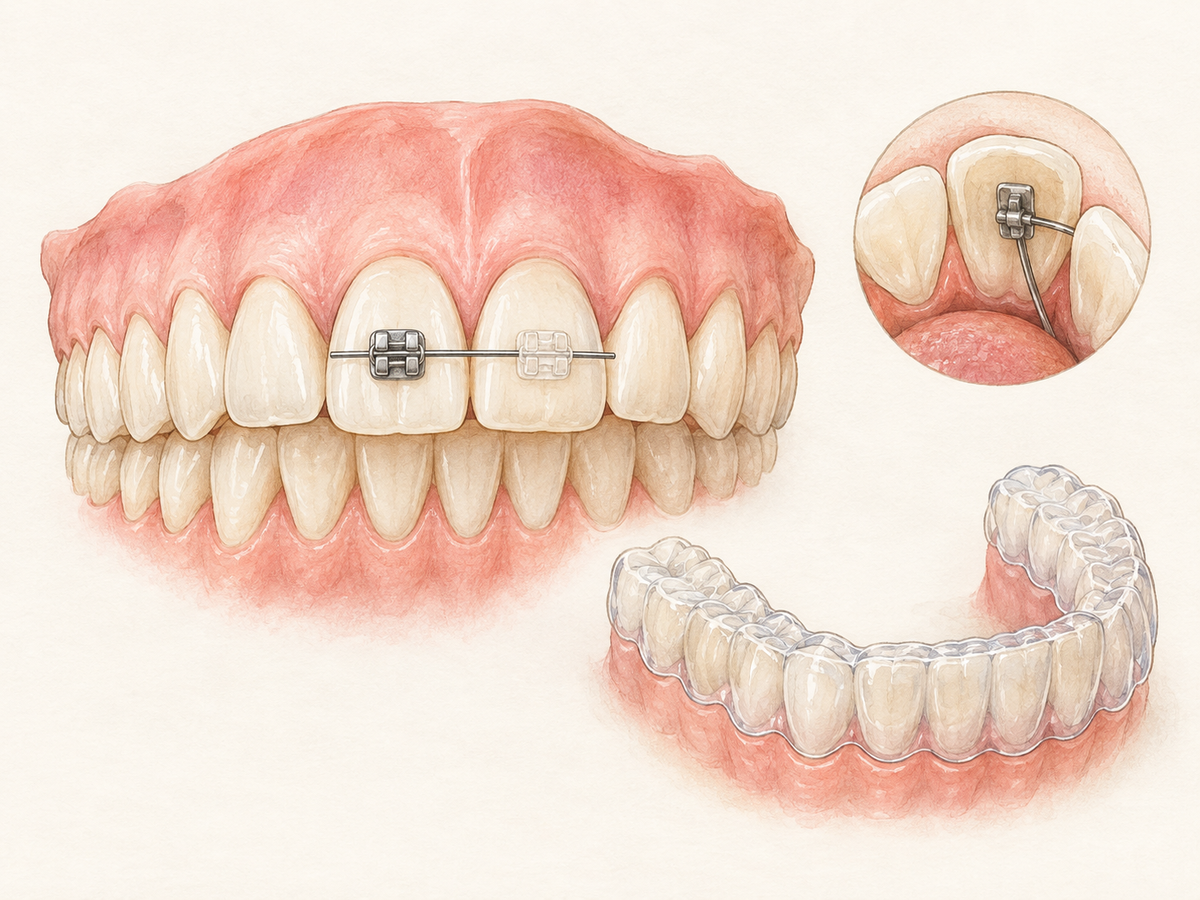
- Tratamiento de ortodoncia: Los frenos pueden mover los dientes contra el tejido gingival fino, especialmente en pacientes con biotipo fino.
- Edad: La recesión se vuelve más común con la edad, probablemente debido a la exposición acumulada a factores de riesgo a lo largo de la vida.
¿Puede Revertirse la Recesión de las Encías? La Verdad Honesta
Esta es la pregunta que causa más ansiedad — y merece una respuesta clara y matizada.
No, el tejido gingival no se regenera ni vuelve a crecer por sí solo. A diferencia de la piel, que puede sanar y regenerarse, el tejido gingival que se ha perdido no puede volver a crecer espontáneamente.
Sin embargo, esto no significa que estés indefenso. Esto es lo que es posible:
- La progresión puede detenerse. Con el cuidado adecuado en casa y el tratamiento profesional, puedes detener el proceso de recesión y prevenir daños adicionales.
- La recesión leve puede mejorar. En algunos casos, la limpieza profunda (raspado y alisado radicular) permite que las encías se vuelvan a unir ligeramente, reduciendo la profundidad de la bolsa.
- Las raíces expuestas pueden cubrirse. Los procedimientos quirúrgicos, como la cirugía de injerto de encía o la técnica quirúrgica del agujero de alfiler, puede cubrir las raíces expuestas con tejido nuevo, protegiéndolas de la caries y la sensibilidad.
- Los síntomas se pueden controlar. La pasta de dientes desensibilizante y una técnica de cepillado adecuada pueden reducir significativamente la sensibilidad dental causada por la exposición de la raíz.
La conclusión clave: La recesión no es reversible, pero es altamente manejable. La intervención temprana es fundamental. Cuanto antes abordes la causa, mejores serán tus posibilidades de conservar tus dientes y evitar un tratamiento más invasivo.
Cuidado en el hogar y lo que puedes hacer ahora mismo
Tienes más control sobre la recesión de las encías de lo que crees. Estos pasos pueden evitar que el problema empeore e incluso pueden mejorar los casos leves.
1. Cambia a un cepillo de dientes de cerdas suaves
Las cerdas duras y medianas son abrasivas tanto para el esmalte como para el tejido de las encías. Un cepillo de cerdas suaves es lo suficientemente suave como para limpiar eficazmente sin causar traumatismos. Considera usar un cepillo de dientes eléctrico sónico, que normalmente requiere menos presión manual y puede ser más eficaz para eliminar la placa.
2. Domina la técnica de cepillado correcta
La técnica de cepillado de Bass es el estándar de oro para la salud de las encías:
- Sostén el cepillo en un ángulo de 45 grados con respecto a la línea de las encías.
- Usa movimientos cortos, suaves, circulares o vibratorios , no un movimiento horizontal de fregado.
- Asegúrate de que las puntas de las cerdas lleguen justo debajo del margen gingival (aproximadamente 1 mm en el surco).
- Cepíllate durante 2 minutos completos, dos veces al día.
3. Usa pasta de dientes desensibilizante
Busca pasta de dientes que contenga nitrato de potasio o fluoruro estannoso. Estos ingredientes bloquean las señales nerviosas de los túbulos dentinarios expuestos, reduciendo la sensibilidad. Evita las pastas dentales blanqueadoras con abrasivos fuertes, ya que pueden empeorar el desgaste de la raíz.
4. Usa el hilo dental con suavidad y correctamente
Usar hilo dental es esencial, pero usarlo de forma agresiva puede dañar las encías. Usa un movimiento de vaivén suave y enrolla el hilo alrededor de cada diente, llegando justo debajo de la línea de las encías.
5. Trata el rechinamiento de dientes
Si rechinas o aprietas los dientes por la noche, pregunta a tu dentista sobre un protector nocturno. Este aparato hecho a medida absorbe la fuerza del rechinamiento, protegiendo tanto tus dientes como tus encías.
6. Deja de fumar
El consumo de tabaco perjudica significativamente la salud y la curación de las encías. Dejarlo es una de las cosas más impactantes que puedes hacer para frenar o detener la recesión.
Tratamientos profesionales: desde no quirúrgicos hasta quirúrgicos
Si el cuidado en casa no es suficiente, tu dentista o periodoncista (especialista en encías) pueden ofrecer una variedad de tratamientos según la gravedad de tu recesión.
Tratamiento no quirúrgico: raspado y alisado radicular
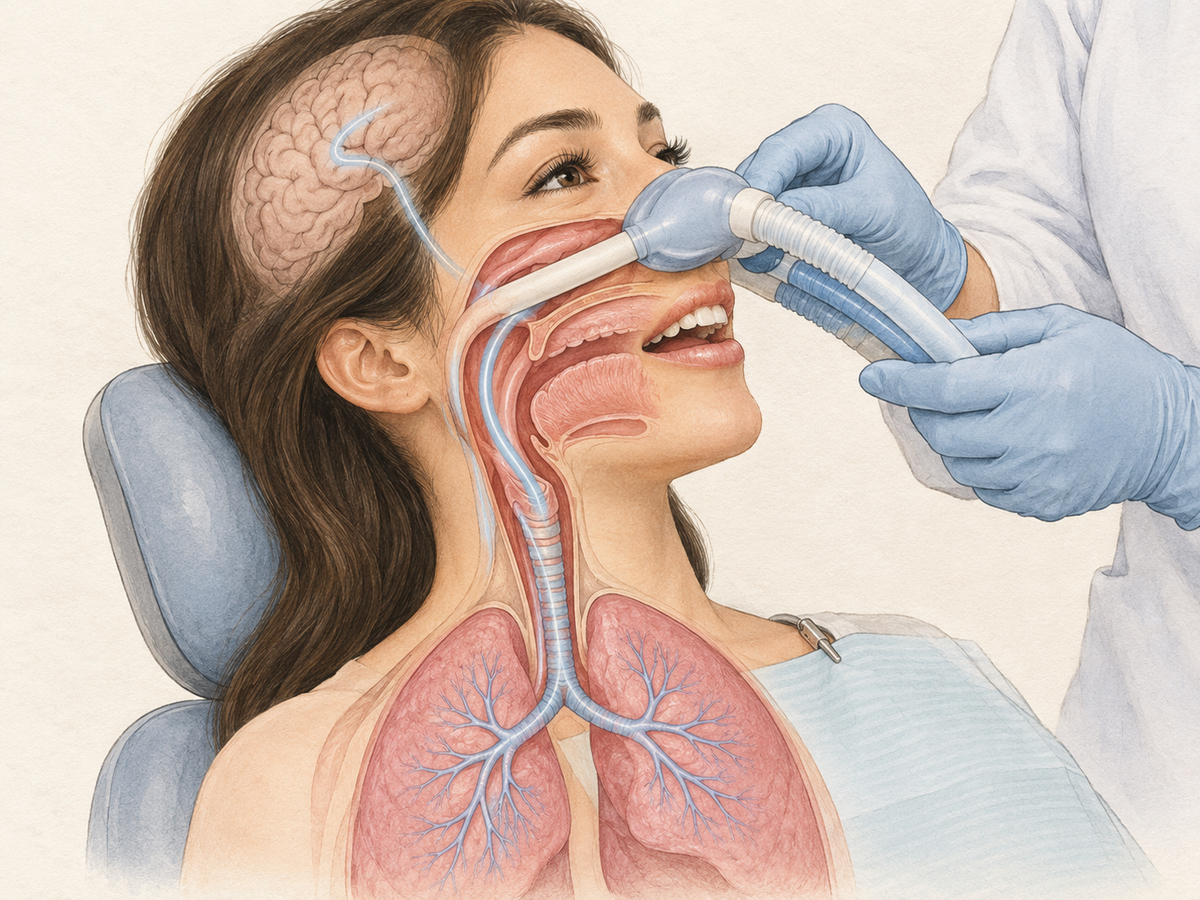
Para la recesión causada por enfermedad de las encías, el primer paso es una limpieza profunda llamada raspado y alisado radicular. Este procedimiento elimina la placa y el sarro debajo de la línea de las encías y alisa las superficies de las raíces, permitiendo que las encías se vuelvan a adherir. A menudo se realiza con anestesia local y puede requerir varias visitas.
Opciones de tratamiento quirúrgico
Cuando la recesión es moderada a severa, o cuando causa dolor, caries en la raíz o problemas estéticos, se puede recomendar la cirugía.
Cirugía de injerto de encía (injerto de tejido conectivo)
Este es el estándar de oro para tratar recesiones múltiples o severas. Se toma un trozo de tejido del paladar y se cose sobre la raíz expuesta. Una revisión sistemática de 2024 encontró que tanto los injertos de tejido conectivo como los injertos gingivales libres desepitelizados son efectivos, con resultados similares a los 6 y 12 meses.
Técnica quirúrgica del orificio (Pinhole)
Una alternativa mínimamente invasiva, la técnica del orificio implica hacer un pequeño agujero en el tejido de la encía y usar instrumentos especiales para aflojar suavemente y reposicionar la encía sobre la raíz expuesta. La recuperación es típicamente más rápida y menos dolorosa que la cirugía de injerto tradicional.
Colgajo avanzado coronal (CAF)
En este procedimiento, el tejido de la encía se reposiciona quirúrgicamente (avanza) para cubrir la raíz. Una revisión sistemática encontró que combinar CAF con un injerto de tejido conectivo o un derivado de la matriz del esmalte mejora significativamente la probabilidad de lograr una cobertura radicular completa.
Adhesivo o Resina Compuesta
Para la recesión leve donde no se desea cirugía, su dentista puede aplicar una resina del color del diente para cubrir la raíz expuesta. Esta es una solución cosmética que protege la raíz pero no aborda el problema subyacente de las encías.

Cuándo Consultar a un Dentista o Periodoncista
Debe programar una evaluación dental si nota cualquiera de los siguientes signos:
- Sus dientes se ven más largos de lo que solían
- Siente una muesca o hendidura en la base de un diente
- Experimenta sensibilidad dental a alimentos fríos, calientes o dulces
- Sus encías sangran al cepillarse o usar hilo dental
- Tiene dientes flojos o nota cambios en su mordida
- La recesión parece empeorar a pesar de un buen cuidado en casa
La intervención temprana siempre es más fácil y efectiva. Si espera hasta que la recesión esté avanzada, puede necesitar una cirugía más compleja o arriesgarse a la pérdida de dientes.
Qué NO Hacer (Errores Comunes)
Cuando está ansioso por la retracción de las encías, es natural querer "arreglarlo" usted mismo. Pero algunas acciones bien intencionadas pueden empeorar las cosas.
- No se cepille con más fuerza. Cepillarse de manera más agresiva solo acelerará la pérdida de encías.
- No use un cepillo de cerdas duras. Esta es una de las formas más rápidas de empeorar la recesión.
- No intente cirugía casera de encías ni remedios caseros. Los productos que afirman "regenerar las encías" no están respaldados por la ciencia. Algunos incluso pueden contener ingredientes dañinos.
- No ignore el problema. La retracción de las encías no se cura por sí sola. Cuanto más espere, más tejido y hueso puede perder.
- No deje de usar hilo dental. Incluso si sus encías sangran, el uso suave del hilo dental es esencial para evitar que la enfermedad de las encías empeore.
Pronóstico y Resumen
La retracción de las encías es una condición crónica común, pero no tiene que llevar a la pérdida de dientes. Con una combinación de cuidado adecuado en casa, tratamiento profesional y visitas regulares al dentista, la mayoría de las personas pueden manejar con éxito la recesión y mantener una sonrisa saludable y funcional de por vida.
Los pasos más importantes son:
- Identificar y abordar la causa subyacente (cepillado agresivo, enfermedad de las encías, rechinar de dientes, etc.)
- Adoptar hábitos de higiene bucal suaves y efectivos
- Consultar a un dentista o periodoncista para una evaluación y plan de tratamiento
Recuerda: No estás solo. La recesión de las encías afecta a la gran mayoría de los adultos en algún momento. La clave es actuar temprano, ser constante con tu cuidado y trabajar con un profesional dental para proteger tus dientes a largo plazo.
Este artículo ha sido revisado por un profesional de la salud bucal para garantizar su exactitud. Su objetivo es proporcionar información educativa general y no debe utilizarse como sustituto de asesoramiento médico, diagnóstico o tratamiento personalizados. Si tiene preguntas o inquietudes sobre su salud bucal, consulte a un dentista, médico u otro profesional de la salud cualificado.