
















El oil pulling — hacer buches con aceite en la boca durante hasta 20 minutos — es un ritual ayurvédico milenario que ha irrumpido en la escena moderna del bienestar. Estudios preliminares sugieren que puede reducir la placa dental, la gingivitis, y las bacterias orales, pero la investigación es pequeña y a corto plazo. Esto es lo que realmente dicen las evidencias, dónde se quedan cortas y cómo decidir si vale la pena tu tiempo.

¿Realmente Funciona? Separando la Esperanza del Marketing
Si has tecleado "beneficios del oil pulling" en un buscador, no estás solo. Incluso los algoritmos entre bastidores que ayudan a destacar información de salud — como las técnicas de expansión de consultas estudiadas en herramientas como Query2doc — muestran cuán ansiosas están las personas por encontrar consejos verdaderamente fiables en medio de un mar de afirmaciones atrevidas.
La práctica en sí no es nueva en absoluto. En Ayurveda, aparece como Kavala Graha (hacer gárgaras con aceite) y Gandusha (mantener el aceite quieto). Pero en línea, se ha reinventado como todo, desde un milagro de desintoxicación hasta un truco natural para blanquear los dientes. Una mirada equilibrada a la ciencia revela un perfil más modesto: algunos datos muestran reducciones prometedoras en la placa y las bacterias del mal aliento, pero la evidencia en general es preliminar. El oil pulling se ve mejor como un complemento potencial — nunca un sustituto del cepillado, el hilo dental o la atención profesional.
Lo que Nos Dicen los Estudios: Muestras Pequeñas, Plazos Cortos
La investigación científica sobre el oil pulling todavía está en sus inicios. La mayoría de los ensayos publicados son pequeños, de un solo centro y duran solo unas pocas semanas. La mayoría se realizaron en India, a menudo con tamaños de muestra de 10 a 40 participantes. Eso no es una crítica a los investigadores — es simplemente una realidad que dificulta generalizar los resultados a poblaciones más grandes.
Por ejemplo, uno de los primeros ensayos controlados aleatorizados, publicado en 2009, informó que el oil pulling con aceite de sésamo redujo significativamente el índice de placa y las puntuaciones gingivales después de solo 10 días. Impresionante, pero el estudio involucró solo a 20 individuos. De manera similar, un estudio triple ciego de 2008 encontró una disminución notable en Streptococcus mutans recuentos después de dos semanas — sin embargo, el poder estadístico fue limitado por los grupos pequeños.
Así como los conjuntos de datos a gran escala como los Registros de Consultas de Wikidata revelan cómo las consultas de búsqueda del mundo real a menudo carecen de contexto suficiente para respuestas exactas, los ensayos dentales pequeños aún no pueden darnos una imagen completa de cómo se desempeña el oil pulling a lo largo de meses o años.
Placa y Bacterias: El Efecto Real y Medible
A pesar de las limitaciones de la investigación, un hallazgo es consistente: el oil pulling puede reducir ciertas bacterias dañinas y la placa blanda que crean.
El organismo objetivo citado con mayor frecuencia es Streptococcus mutans, un factor importante en la caries dental. En el estudio de 2008, los niños que hicieron buches con aceite de sésamo durante 10 minutos diarios mostraron una reducción de aproximadamente el 20% en los recuentos salivales de S. mutans después de dos semanas. Otro ensayo en adultos jóvenes que usaron aceite de coco informó una tendencia similar, atribuyendo el efecto a ácido láurico — un ácido graso que el cuerpo convierte en monolaurina, conocido por alterar las membranas de las bacterias grampositivas.
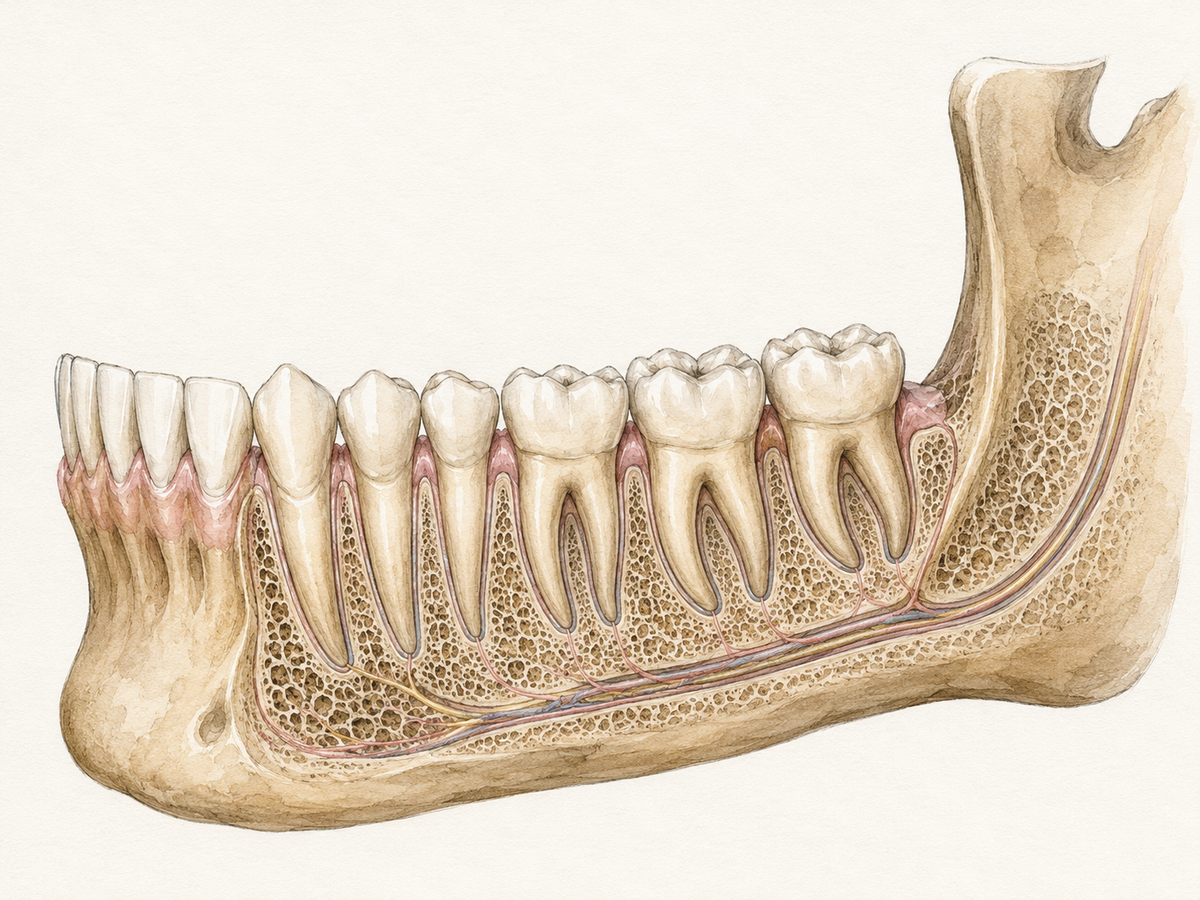
Para el biofilm (la matriz pegajosa que adhiere la placa a los dientes), los investigadores proponen un mecanismo dual: el cizallamiento mecánico del enjuague desaloja físicamente los desechos, mientras que la naturaleza lipofílica del aceite se une a las paredes celulares bacterianas y emulsiona las toxinas. Esta disrupción del biofilm no mata todos los gérmenes, pero puede debilitar la capa de placa, haciendo que el cepillado y el uso de hilo dental posteriores sean más efectivos.
Sin embargo, hay un inconveniente. En comparaciones directas, el enjuague con aceite a menudo iguala o supera ligeramente al enjuague de clorhexidina — el estándar de oro antiséptico. Una revisión señaló que la clorhexidina tiende a producir una disminución más rápida y mayor en los índices de placa, pero el enjuague con aceite logra un efecto similar sin las manchas marrones o la alteración del sabor que muchas personas detestan.
Salud de las Encías e Inflamación: Un Beneficio Adicional Bienvenido
Cuando se controla la placa, la inflamación de las encías generalmente le sigue. Una revisión de 2017 de Shanbhag resumió varios ensayos que mostraron que el enjuague con aceite redujo los puntajes de sangrado gingival y mejoró el índice gingival. Estos beneficios no son magia: provienen de la reducción de la carga bacteriana alrededor de la línea de las encías.
La acción antiinflamatoria propuesta de aceites como el de coco y sésamo también puede desempeñar un papel de apoyo. El aceite de sésamo contiene sesamina y sesamolina, compuestos con propiedades antioxidantes que podrían calmar la irritación leve de las encías. Además, el enjuague con aceite puede elevar suavemente el pH salival, ayudando a amortiguar los ácidos producidos por las bacterias que causan caries y, por lo tanto, reduciendo la desmineralización del esmalte.
Pero es importante ser claro: la reducción de la gingivitis es probablemente una consecuencia de un mejor control de la placa, no una propiedad curativa única del aceite en sí.

Cómo Se Compara con el Cepillado y el Enjuague Bucal
Ventajas y desventajas cara a cara de un vistazo:
| Práctica | Reducción de placa | Protección con flúor | Tiempo requerido | Inconveniente principal |
|---|---|---|---|---|
| Cepillado y uso de hilo dental | Muy alta | Sí (de la pasta de dientes) | 2–5 min | Depende de la técnica |
| Enjuague de clorhexidina | Alto | No | 1–2 min | Mancha los dientes |
| Oil pulling (enjuague con aceite) | Moderado | No | 15–20 min | Requiere tiempo, sin flúor |
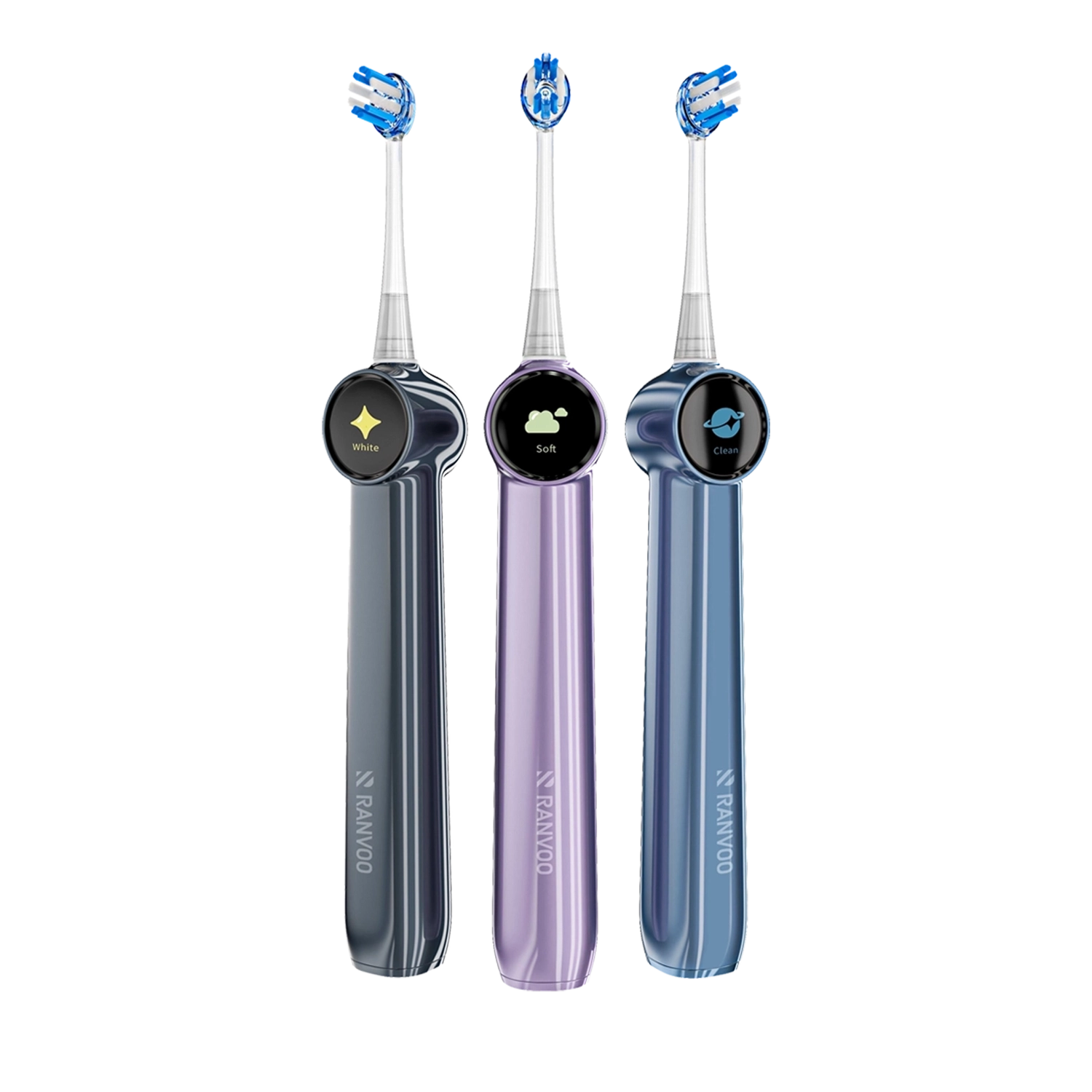
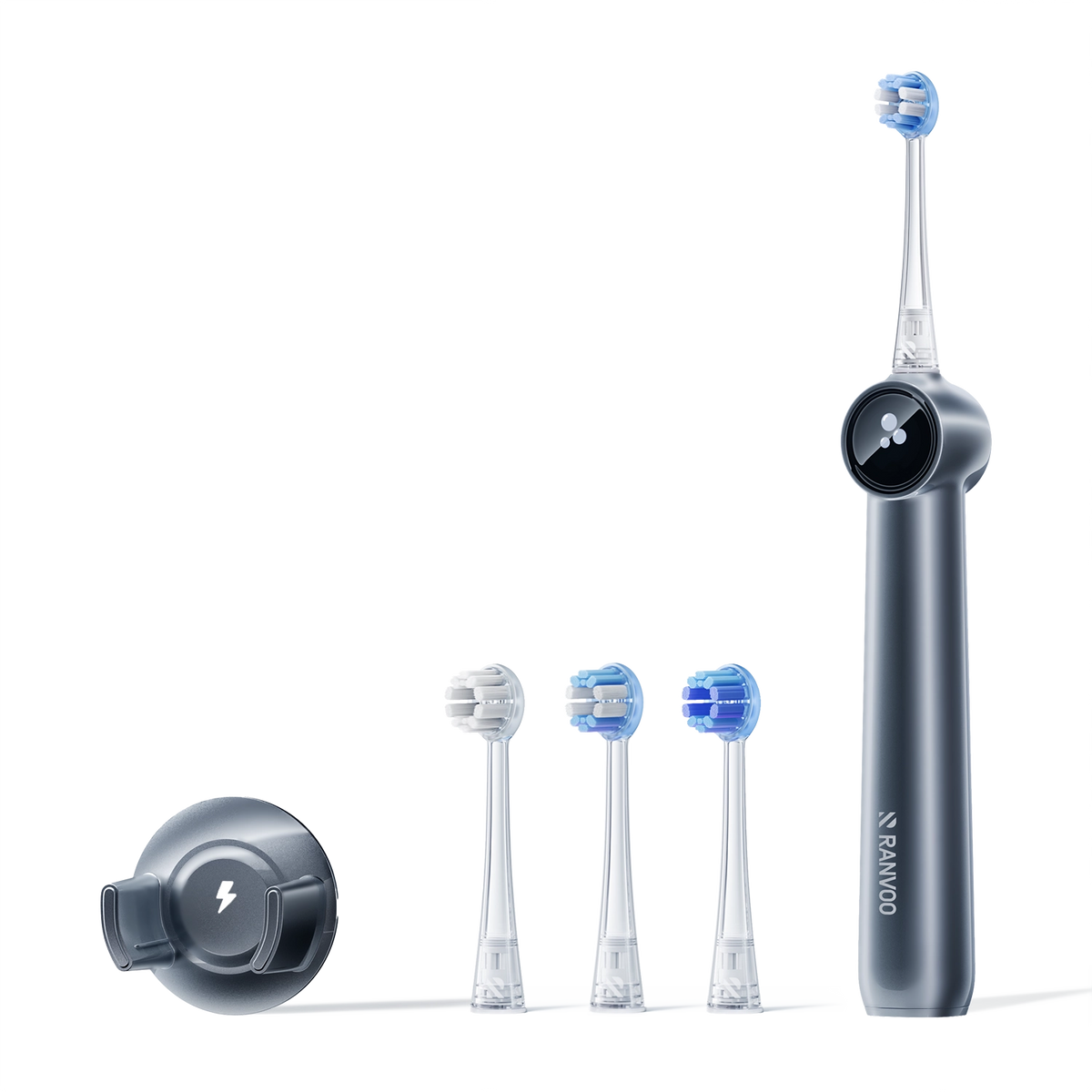
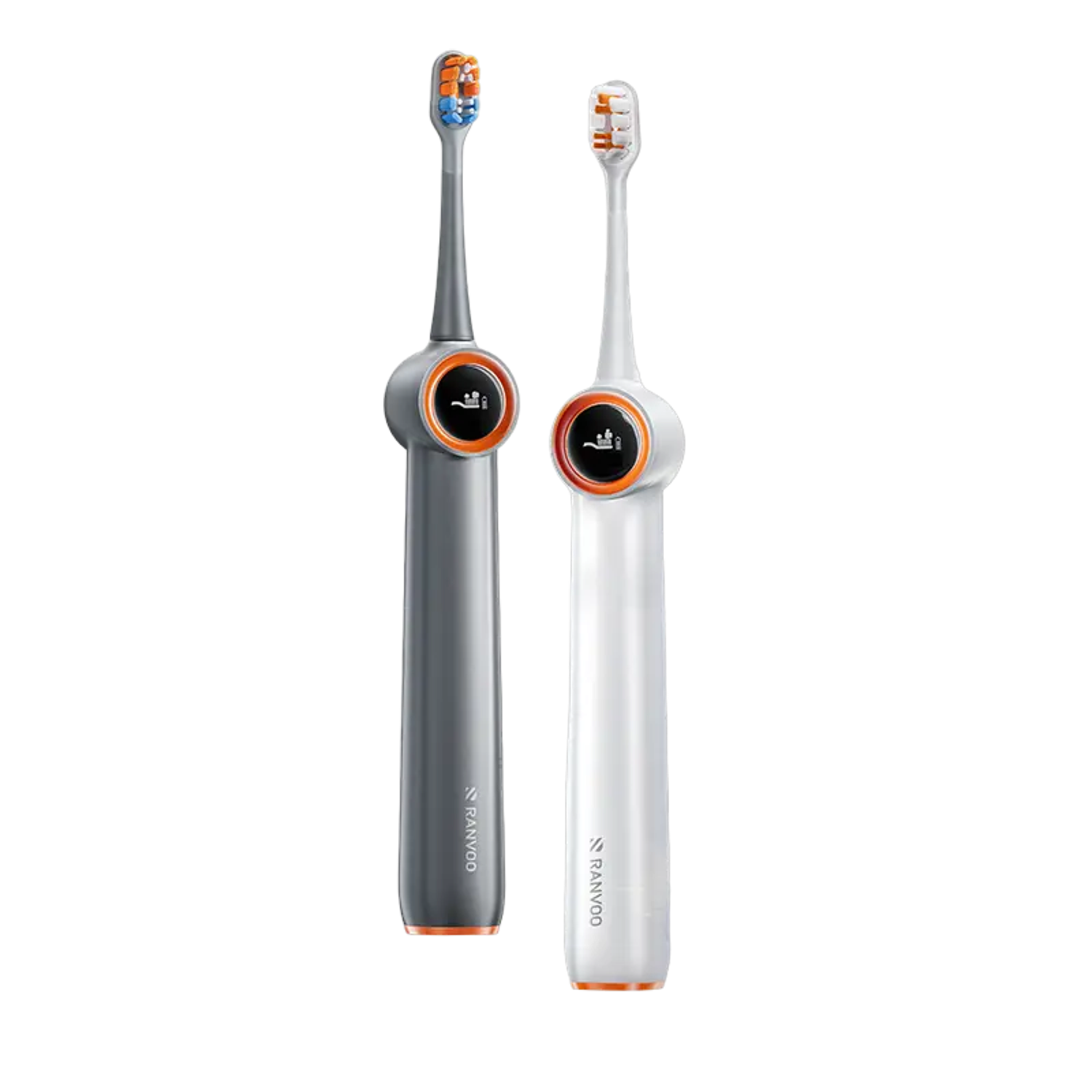
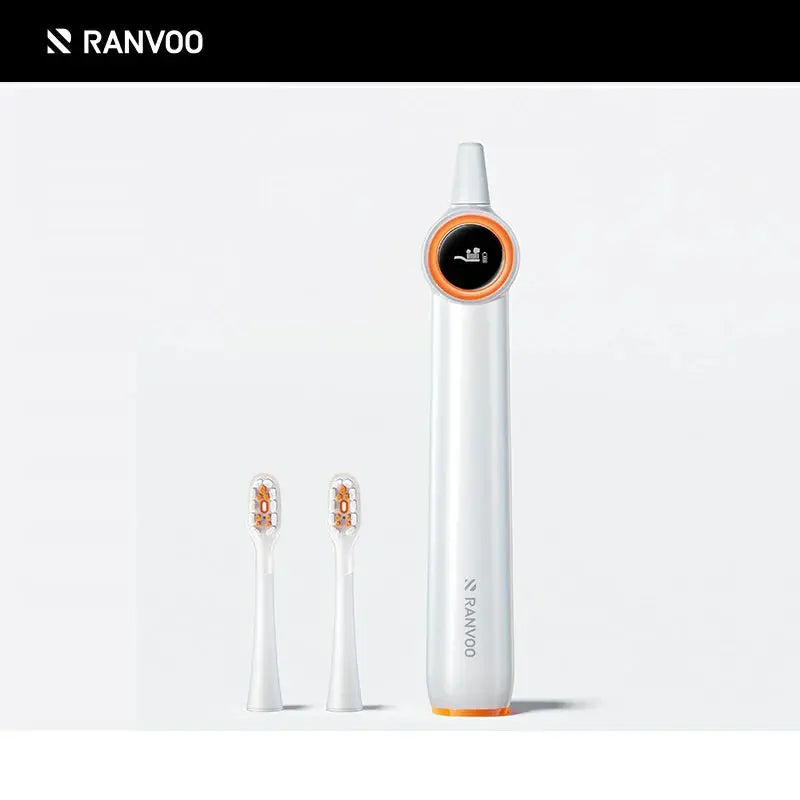
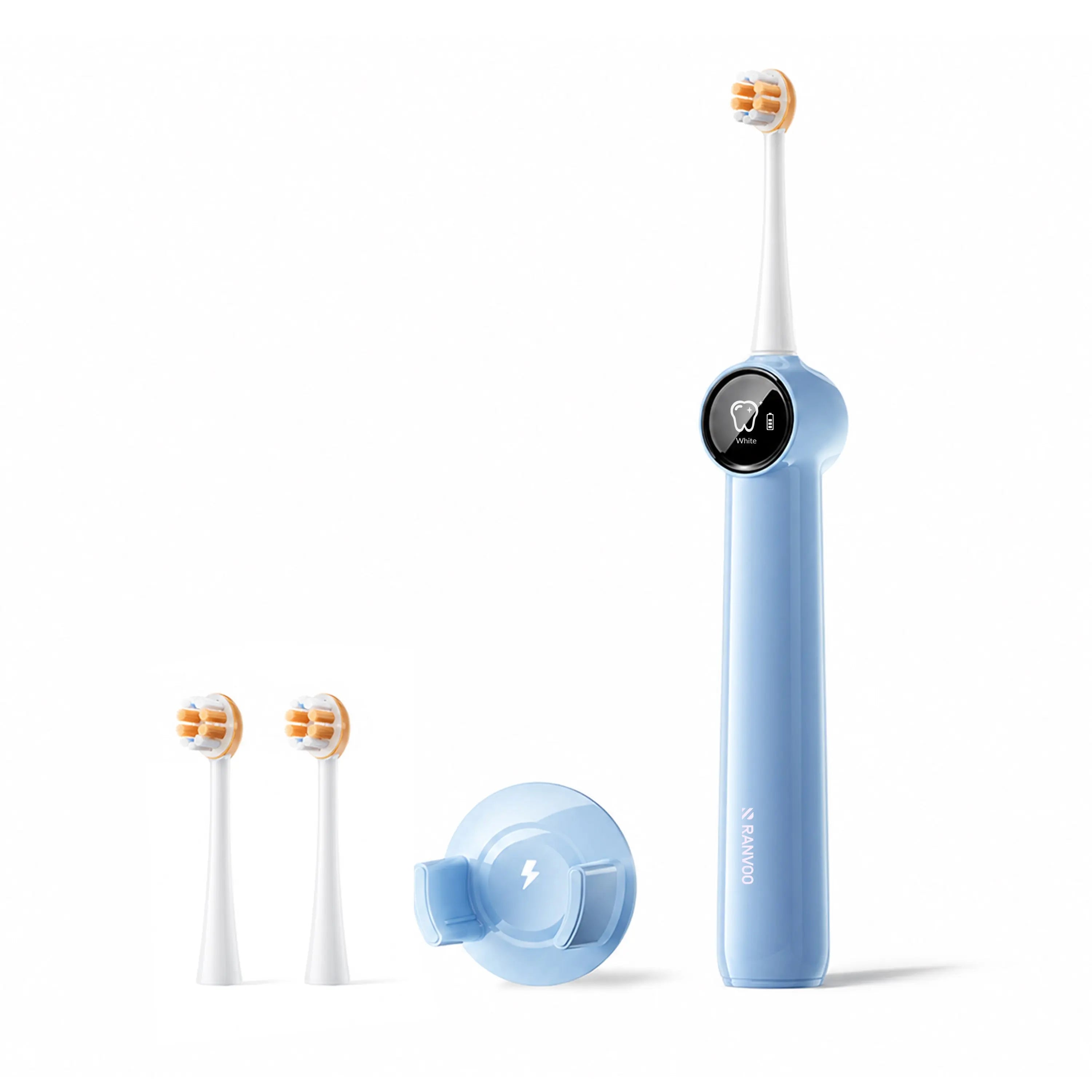
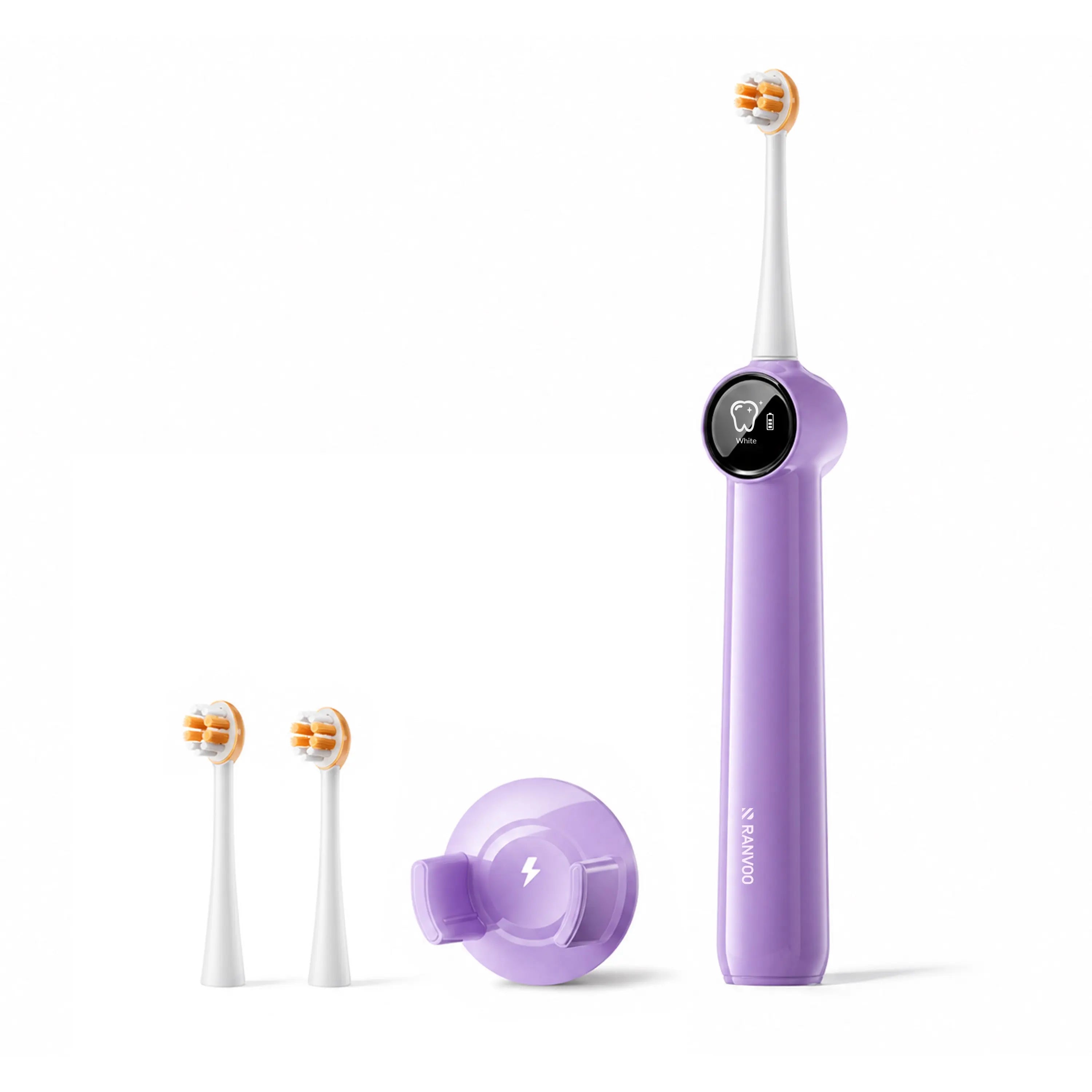
El oil pulling no reemplaza el cepillo de dientes. No puede raspar físicamente el sarro endurecido y no aporta flúor, el mineral que remineraliza las caries incipientes y fortalece el esmalte. Hacer buches con aceite puede aflojar algunos residuos blandos, pero no se acerca al poder de eliminación de placa de un cepillo de dientes eléctrico, que utiliza oscilaciones de alta frecuencia para limpiar la línea de las encías y entre los dientes, zonas que los enjuagues nunca alcanzan.
Por eso los dentistas consideran el oil pulling como un paso complementario. Si decides probarlo, úsalo como enjuague antes del cepillado y luego usa un cepillo eléctrico para eliminar por completo cualquier biopelícula que el aceite haya podido dejar.
La opinión de los expertos: optimismo cauteloso, sin respaldos absolutos
Las asociaciones dentales de todo el mundo — desde la Asociación Dental Americana hasta la Asociación Dental de la India — no han recomendado el oil pulling como herramienta principal de higiene bucal. Su razonamiento es simple: sin ensayos controlados aleatorizados grandes, a largo plazo y de alta calidad, es imposible prometer beneficios claros que superen el tiempo y esfuerzo.
Por otro lado, dado que los riesgos son bajos cuando se hace correctamente, la mayoría de los expertos tampoco lo desaconsejan. Una postura clínica común es: «Si te hace sentir más motivado con tu cuidado bucal y no reemplaza nada probado, probablemente sea inofensivo». Eso es el optimismo cauteloso en pocas palabras.
Efectos secundarios y precauciones de seguridad
Aunque el oil pulling generalmente es seguro, no está exento de riesgos:
- Fatiga mandibular: Hacer buches vigorosos durante 20 minutos puede tensar la articulación temporomandibular. Si tienes problemas de ATM, acorta la sesión o evítalo.
- Neumonía lipoidea: Rara pero grave — causada por inhalar accidentalmente pequeñas gotas de aceite. Nunca hagas buches con fuerza; usa un movimiento suave de empuje y tirón con las mejillas y mantén la cabeza erguida.
- Malestar gastrointestinal: Tragar accidentalmente la mezcla de aceite y bacterias puede causar náuseas o diarrea. Escúpelo siempre en un bote de basura (no en el fregadero — el aceite puede obstruir las tuberías).
- Alergias: Los aceites de coco y sésamo son posibles alérgenos. Haz una prueba de parche si no estás seguro y considera el aceite de girasol como alternativa neutra.
- Precaución pediátrica: Los niños pequeños no deben intentar el oil pulling sin supervisión debido al riesgo de tragar o aspirar. Esta no es una práctica para niños pequeños.
Si usas coronas temporales, dentaduras parciales o aparatos de ortodoncia, consulta primero con tu dentista: existe una posibilidad teórica (aunque no bien documentada) de que el enjuague prolongado con aceite pueda interferir con los cementos adhesivos.
Tu Plan de Acción: ¿Vale la pena probar el oil pulling?
Usa este marco de decisión para determinar si el oil pulling encaja en tu vida:
- ¿Te desagrada el enjuague bucal comercial o quieres una opción más natural? Puede servir como sustituto de un enjuague antimicrobiano, pero solo si estás dispuesto a invertir el tiempo.
- ¿Buscas una sonrisa de Hollywood? No esperes un blanqueamiento dramático. El oil pulling puede eliminar manchas superficiales, pero no blanqueará los dientes.
- ¿Puedes mantener un hábito diario de 15 minutos sin descuidar tu cuidado oral real? En el momento en que recortes el cepillado o el uso de hilo dental a favor del oil pulling, habrás hecho un mal negocio.
Si decides probarlo, este es el protocolo basado en la evidencia:
- Usa 1 cucharada de aceite de coco, sésamo o girasol prensado en frío, idealmente a primera hora de la mañana con el estómago vacío.
- Enjuaga y pasa suavemente el aceite entre los dientes durante 15-20 minutos. El aceite duplicará su volumen al mezclarse con la saliva y emulsionar; escúpelo una vez que se vuelva fino y blanco lechoso.
- Escúpelo en un bote de basura, no en el fregadero, para evitar obstrucciones en las tuberías.
- Enjuaga con agua tibia y sal, luego cepíllate bien con una pasta dental con flúor y un cepillo manual o eléctrico de cerdas suaves.
- Para un aliento fresco adicional, considera raspado de lengua inmediatamente antes o después: una pequeña comparación sugirió que el oil pulling y el raspado de lengua juntos pueden reducir mejor los compuestos de azufre volátil que cualquiera de los dos por separado.
Finalmente, mantén tus expectativas realistas. El oil pulling no es un milagro de desintoxicación, pero es una práctica natural de bajo riesgo que, cuando se añade a una rutina sólida, puede brindarte una reducción adicional de placa y una sensación de limpieza en la boca. Úsalo para mejorar, nunca para reemplazar, los fundamentos: cepíllate dos veces al día, usa hilo dental y visita a tu dentista regularmente.

Este artículo ha sido revisado por un profesional de la salud bucal para garantizar su exactitud. Su objetivo es proporcionar información educativa general y no debe utilizarse como sustituto de asesoramiento médico, diagnóstico o tratamiento personalizados. Si tiene preguntas o inquietudes sobre su salud bucal, consulte a un dentista, médico u otro profesional de la salud cualificado.