








En resumen: Sí, puedes usar un cepillo de dientes eléctrico en tu lengua, y si se hace correctamente, reduce eficazmente la suciedad que causa el mal aliento. Pero un raspador de lengua específico suele funcionar mejor y ser más cómodo. El verdadero secreto no es la herramienta; es la limpieza constante y suave de atrás hacia adelante.
Si alguna vez te has preguntado si tu cepillo vibrante pertenece cerca de tu lengua, la respuesta corta es sí. Pero hay más que simplemente mover las cerdas. Esto es lo que necesitas saber sobre seguridad, eficacia y la mejor técnica.
Por qué la limpieza de la lengua es importante para la salud bucal
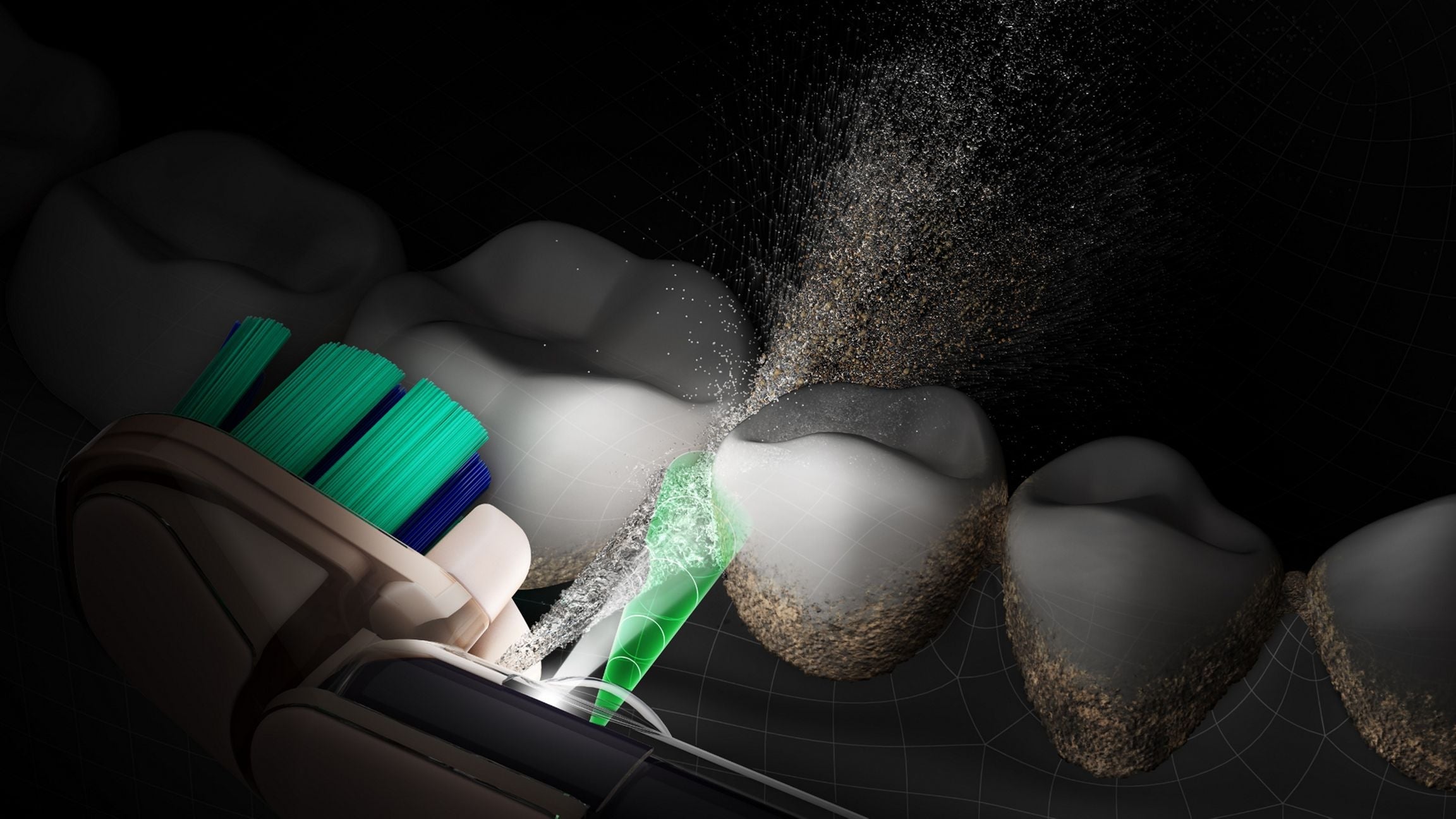
Tu lengua no es solo una superficie plana: sus pequeñas protuberancias (papilas) crean el escondite perfecto para bacterias, restos de comida y células muertas. Esa acumulación, a menudo llamada capa lingual o biopelícula bacteriana, no solo es antiestética. Es una fuente principal de compuestos malolientes.
El vínculo entre tu lengua y el mal aliento
La halitosis ((mal aliento crónico) afecta a un estimado del 85% de las personas con causas bucales. Aproximadamente la mitad de esos casos se originan en la lengua. El culpable: compuestos de azufre volátiles (VSC) — sulfuro de hidrógeno y mercaptanos — producidos cuando las bacterias en la parte posterior de la lengua descomponen proteínas y aminoácidos. Cepillarse solo los dientes pasa por alto este reservorio, por lo que la limpieza de la lengua pertenece a toda rutina de higiene bucal.

Cómo afecta la lengua sucia al gusto y a la higiene bucal en general
Una lengua cubierta puede literalmente apagar tu capacidad de saborear. La misma biopelícula que causa el olor forma una barrera sobre las papilas gustativas, amortiguando los sabores. Además, las bacterias de la lengua repueblan continuamente los dientes y las encías, haciendo más difícil mantener la placa bajo control. Simplemente agregar un paso de limpieza de la lengua ayuda a romper ese ciclo.
¿Puede un cepillo de dientes eléctrico limpiar tu lengua de forma segura?
Absolutamente, con algunas advertencias importantes. Los cepillos de dientes eléctricos (tanto los tipos oscilantes-rotatorios como los sónicos) pueden desprender la capa de la lengua cuando se usan correctamente. Pero no están diseñados específicamente para la superficie esponjosa y con surcos de la lengua.
Lo que dicen los dentistas sobre usar cepillos de dientes eléctricos en la lengua
El consenso profesional es claro: limpiar tu lengua es beneficioso, y tu cepillo de dientes es mejor que nada. Un estudio publicado en la revista BMC Salud Bucal descubrió que cepillar la lengua con un cepillo de dientes redujo significativamente tanto el mal aliento como la capa de la lengua, y no hubo diferencias estadísticas en comparación con usar un raspador de lengua — siempre que el movimiento de limpieza fuera preciso y minucioso. Puedes leer los resultados completos aquí.
Riesgos Potenciales y Cómo Evitarlos
Si se usa sin cuidado, un cepillo eléctrico puede causar irritación. Así es como mantenerte seguro:
- Sobrecillado y microdesgarros — La presión agresiva, especialmente con cerdas rígidas, puede dañar las papilas delicadas y provocar dolor o cambios temporales en el gusto. Usa la presión más ligera posible.
- Desencadenante del reflejo nauseoso — Los cabezales grandes que van demasiado atrás a menudo activan el reflejo. Saca la lengua, respira por la nariz y comienza un poco más adelante hasta que desarrolles tolerancia.
- Daño en las papilas gustativas — Los cabezales redondos oscilantes planos y de alta velocidad han causado microtraumatismos cuando se presionan demasiado. Cambia a un cabezal de cerdas suaves o usa la parte trasera del cepillo si tiene un limpiador de lengua texturizado.
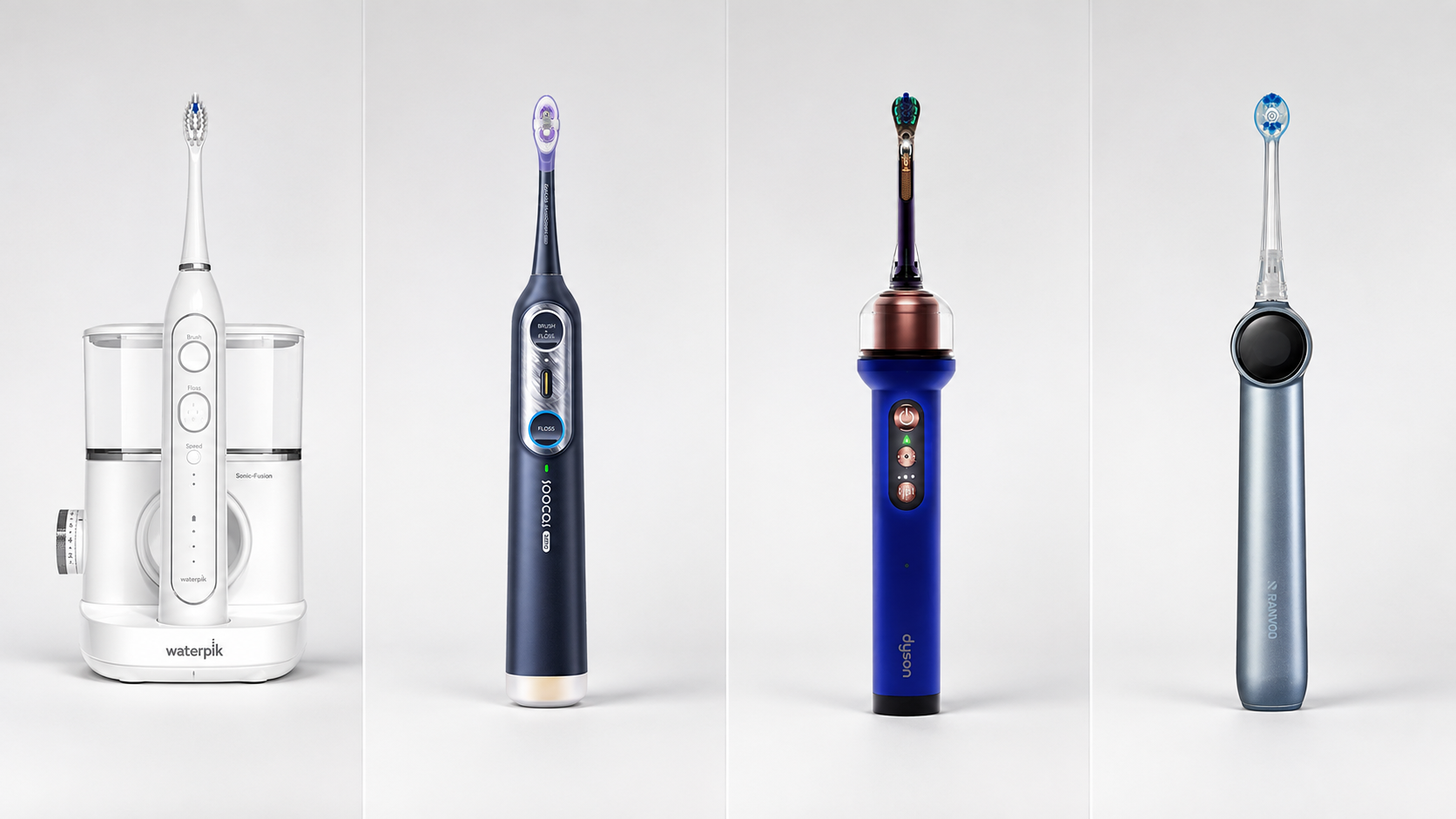
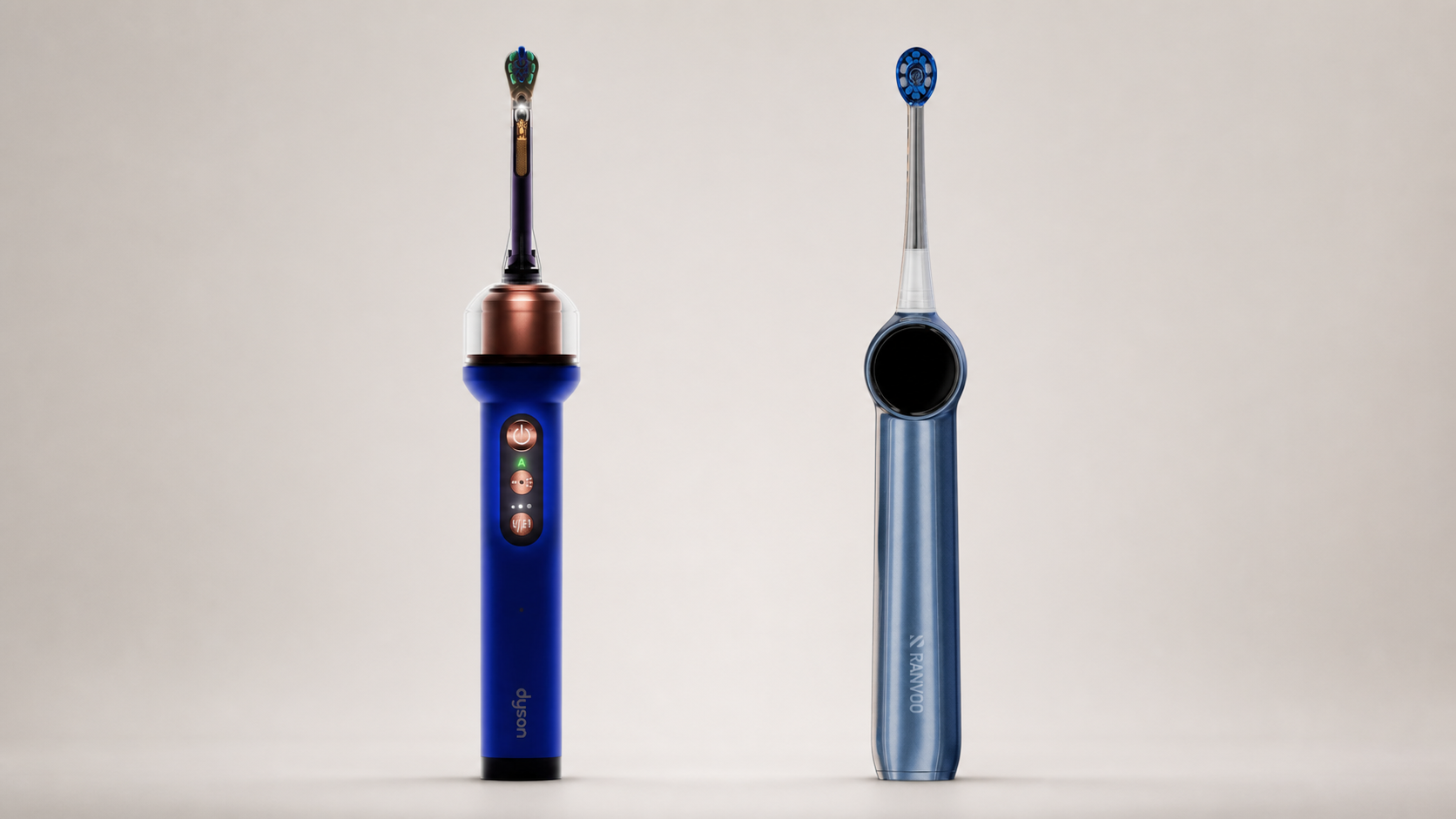
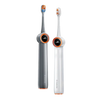
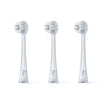
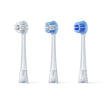
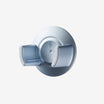
- Propagación de bacterias — Siempre enjuaga bien el cabezal antes y después, o usa un cabezal exclusivo para la limpieza de la lengua. Mejor aún, considera un cepillo diseñado para resistir la acumulación de moho y bacterias, como el RANVOO AirJet X5, que cuenta con certificación de antimoho nivel 0 y un soporte magnético de pared que mantiene el cabezal seco y ventilado. Sus cerdas suaves DuPont y su respaldo recubierto de goma ofrecen una superficie cómoda para limpiar la lengua sin el riesgo de crecimiento bacteriano relacionado con la humedad.

Cómo Limpiar tu Lengua con un Cepillo Eléctrico – Técnica Paso a Paso
La técnica adecuada importa más que la herramienta. Sigue estos pasos para una limpieza segura y efectiva.
Selección del Cabezal y Configuración Correcta
- Solo cerdas suaves. Las cerdas medianas o duras aumentan el riesgo de abrasión.
- Busca un modo de limpieza de lengua. Cepillos como el Philips Sonicare DiamondClean ofrecen modos de intensidad reducida, a veces con accesorios dedicados para la lengua.
- Revisa la parte trasera de tu cabezal. Muchos cabezales Oral-B y Philips tienen un lado inverso texturizado diseñado exactamente para raspar la lengua.
- Evita los cabezales blanqueadores o de profilaxis.
El Movimiento Correcto: De Atrás Hacia Adelante
- Mójalo con agua; una pequeña cantidad de pasta dental es opcional pero puede hacer demasiada espuma.
- Saca la lengua todo lo que puedas cómodamente.
- Coloque las cerdas o la superficie del raspador en la parte posterior de la lengua (no tan atrás como para provocar arcadas).
- Aplique una presión suave y avance lentamente. Con las cerdas sónicas, un movimiento suave hacia adelante funciona; con el raspador trasero, tire en un movimiento uniforme.
- Repita de 2 a 3 veces, cubriendo el centro y los lados.
- Enjuague su boca y el cabezal del cepillo a fondo.
Un ensayo clínico encontró que un raspador de lengua redujo los VSC en un 75%, mientras que un cepillo de dientes los redujo en un 45%: ambos métodos superaron a no limpiar en absoluto. La precisión y la dirección marcaron la diferencia.
Momento y frecuencia: ¿Cuándo y con qué frecuencia debe hacerlo?
Limpie su lengua una o dos veces al día, idealmente después de cepillarse y usar hilo dental. La limpieza matutina elimina la acumulación nocturna, mientras que una sesión por la noche elimina los restos del día. De cinco a diez segundos de limpieza concentrada es suficiente.
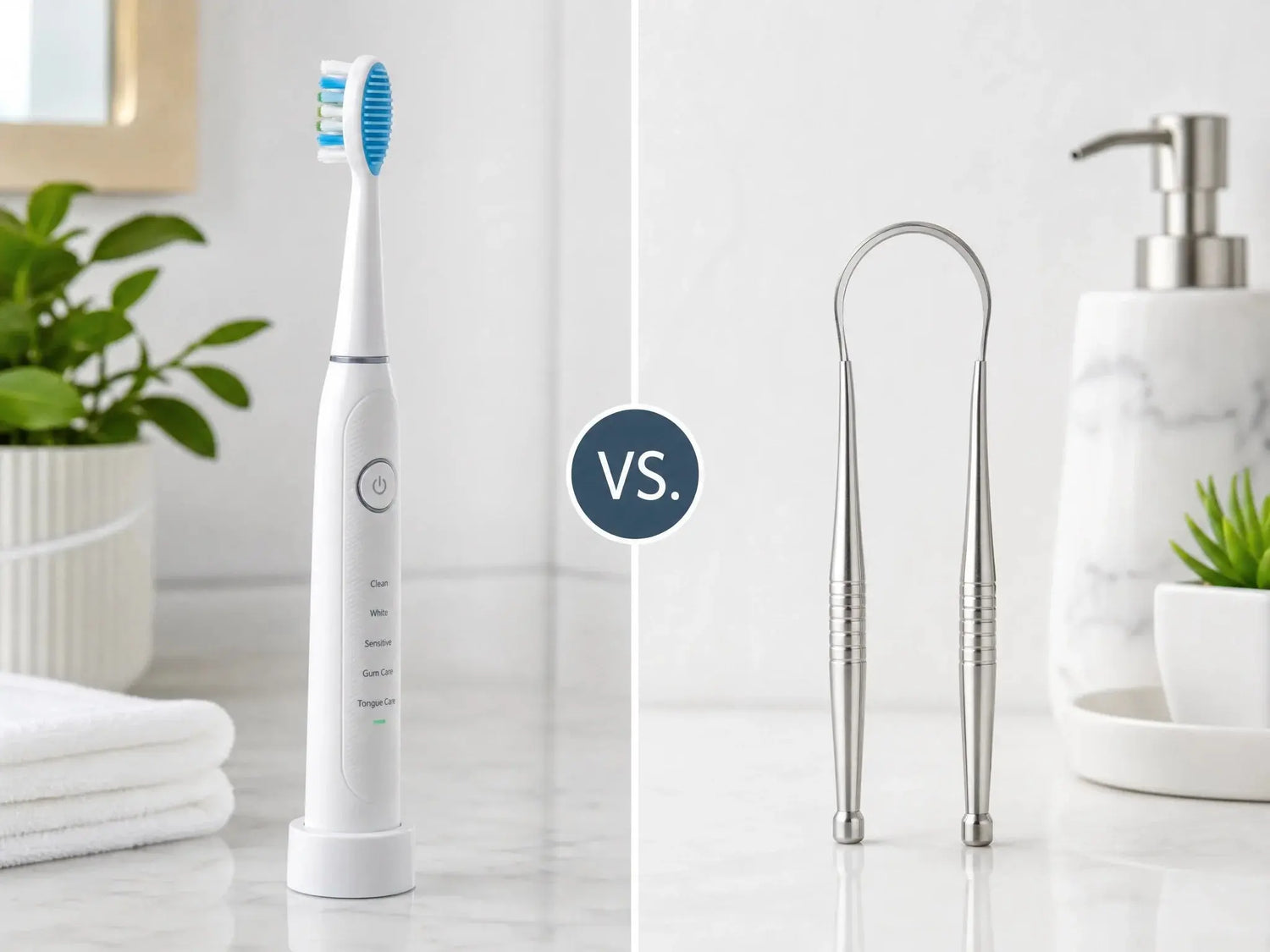
Cepillo de dientes eléctrico vs. Raspador de lengua: ¿Cuál es más efectivo?
Un raspador de lengua es una herramienta simple y curva (de plástico o metal) diseñada únicamente para este trabajo. Así se comparan ambos.
| Característica | Raspador de lengua | Cepillo de dientes eléctrico |
|---|---|---|
| Efectividad para reducir VSC | Reducción del 75% | Reducción del 45% (solo cerdas) |
| Comodidad / reflejo nauseoso | Perfil bajo, menos invasivo | El cabezal del cepillo puede parecer voluminoso |
| Conveniencia | Herramienta adicional para guardar | Ya está en su mano |
| Limpia entre las papilas | Excelente: la hoja levanta la capa | Las cerdas pueden no alcanzar las grietas profundas |
| Riesgo de fregar en exceso | Bajo si se usa suavemente | Mayor si se aplica demasiada presión |
Beneficios e inconvenientes del limpiador de lengua
- Pros: Diseñado específicamente, más eficaz para eliminar físicamente la biopelícula pegajosa, a menudo más cómodo.
- Contras: Una compra adicional, no forma parte de tu rutina existente, sin temporizador integrado.
Beneficios y limitaciones del cepillo de dientes eléctrico para la limpieza de la lengua
- Pros: Comodidad instantánea, la vibración puede ayudar a desprender los residuos, algunos cepillos tienen un modo de limpieza de lengua.
- Limitaciones: La forma de la cabeza del cepillo no está optimizada, puede causar espuma excesiva, es más difícil llegar a la parte más posterior.
Cuándo un cepillo de dientes eléctrico podría ser la mejor opción
- Viajes: Un artículo menos que empacar.
- Preferencias sensoriales: A algunas personas no les gusta la sensación de un raspador de metal o plástico.
- Simplicidad: Si no vas a comprar una herramienta separada, usar tu cepillo de dientes es mucho mejor que omitir la limpieza de la lengua por completo.
Cómo mejorar la limpieza de la lengua con un cepillo de dientes eléctrico (consejos profesionales)
Unos pequeños añadidos pueden mejorar drásticamente los resultados.
Usar pasta de dientes o enjuague bucal: ¿qué es lo mejor?
Un poco de pasta de dientes puede ayudar a enmascarar el olor, pero demasiada crea espuma que oscurece la visibilidad y provoca arcadas. Mejor: usa solo agua, o un gel específicamente formulado para la limpieza de la lengua. Alternativamente, limpia primero y luego enjuaga con un enjuague bucal antibacteriano sin alcohol.
Combinar con un spray o gel para la lengua para una frescura adicional
Después de la limpieza mecánica, un spray como el Philips Sonicare BreathRx, aplicado antes o después del cepillado, lleva ingredientes que matan bacterias más profundamente en la superficie de la lengua. Algunos modelos de cepillo sónico incluso se sincronizan con sistemas de gel y spray para una rutina completa.

¿Quiénes deberían evitar limpiarse la lengua con un cepillo de dientes eléctrico?
Aunque es seguro para la mayoría, algunas condiciones requieren precaución:
- Lengua fisurada: Los surcos profundos requieren una limpieza más suave y dedicada; un raspador suele ser más seguro.
- Lengua geográfica: Las manchas sensibles e inflamadas pueden empeorar con la fricción de las cerdas.
- Cirugía oral reciente o lesiones: Espera hasta que esté completamente curado.
- Reflejo nauseoso severo: El cabezal más grande puede ser insoportable; un raspador fino o la parte trasera texturizada del cabezal suelen tolerarse mejor.
Si experimentas enrojecimiento persistente, dolor o cambios en el gusto, detén la limpieza de la lengua y consulta a tu dentista.
El veredicto: ¿Deberías abandonar el raspador de lengua por un cepillo de dientes eléctrico?
No necesitas elegir solo uno. Un cepillo de dientes eléctrico ciertamente puede limpiar tu lengua, y es mucho mejor que ignorar el cuidado de la lengua. Pero la investigación y la experiencia del usuario favorecen consistentemente al raspador por su comodidad y eficacia. Muchos profesionales dentales recomiendan combinar ambos: usa el cepillo para la descomposición general, luego una pasada rápida con el raspador para levantar la capa aflojada.
Para una solución verdaderamente integrada, considera un dispositivo de cuidado oral de próxima generación como el RANVOO AirJet X5. No es solo un cepillo de dientes eléctrico: su tecnología SuperNano Bubble 2.0 ofrece microburbujas que pueden eliminar suavemente la capa de la lengua sin abrasión, mientras que su oscilación de baja frecuencia de 22,000 golpes/min con micro-barrido de 12° protege las encías sensibles. La parte trasera recubierta de goma del cabezal también funciona como un raspador de lengua suave, y el soporte de pared magnético de nivel 0 antimoho mantiene todo higiénico. En última instancia, la mejor herramienta es la que usarás de manera constante, con mano suave y técnica inteligente.